If you're planning international travel, you've probably wondered about the best way to stay connected abroad. The two main options are traditional physical SIM cards and the newer eSIM technology. In this guide, we'll compare both options to help you make the right choice.
What is an eSIM?
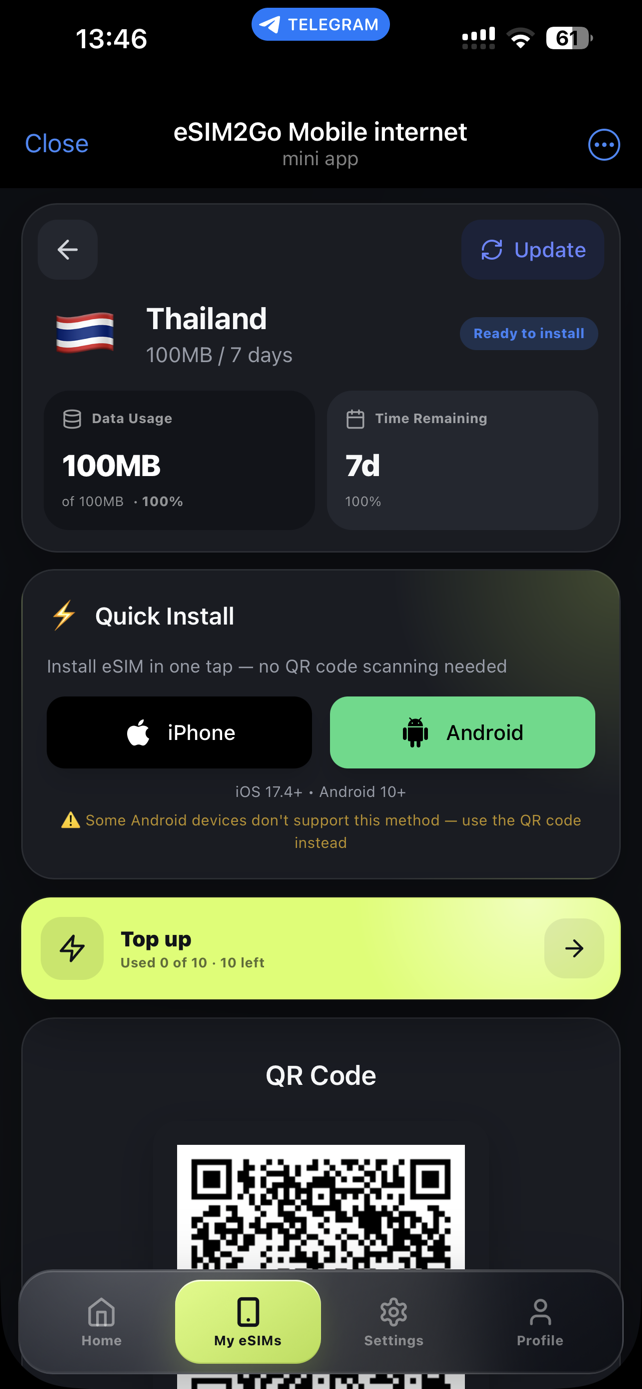
An eSIM (embedded SIM) is a digital SIM that's built into your phone. Instead of inserting a physical card, you download a carrier profile directly to your device. This technology is now standard in most modern smartphones, including iPhone XS and newer, Samsung Galaxy S20 and newer, and Google Pixel 4 and newer.
What is a Physical SIM?
A physical SIM card is the traditional small chip that you insert into your phone's SIM tray. When traveling abroad, you typically buy a local SIM card at the airport or a mobile shop and swap it with your home SIM.
eSIM vs Physical SIM: Quick Comparison
| Feature | eSIM | Physical SIM |
|---|---|---|
| Setup time | Minutes (scan QR code) | 30+ minutes (store visit) |
| Availability | Purchase anytime online | Need to find a store |
| Keep home number | Yes (dual SIM) | Need a second phone |
| Lost/damaged risk | None | Can lose or damage |
| Device compatibility | Modern phones only | All phones |
| Multiple profiles | Up to 8-10 saved | One at a time |
| Price | Varies by country | Varies by location |
Advantages of eSIM
- Instant activation — Get connected immediately, even before your flight lands
- No physical swap — Keep your home SIM active for calls and texts
- Can't be lost — Digital profile stored in your phone
- Easy switching — Change carriers or plans without visiting a store
- Pre-purchase convenience — Buy before your trip from anywhere
- Less waste — No plastic card needed
Advantages of Physical SIM
- Universal compatibility — Works with any phone
- Local phone number — Some plans include a local number for calls
- No tech setup — Simple swap and go
- Transferable — Can move between devices easily
Which One Should You Choose?
The best choice depends on your specific situation. Here's a quick guide:
| Your Situation | Best Choice | Why |
|---|---|---|
| Short trip, modern phone | eSIM | Quick setup, keep home number active |
| Older phone (pre-2018) | Physical SIM | eSIM not supported |
| Need local phone number | Physical SIM | eSIM plans are usually data-only |
| Frequent traveler | eSIM | Store multiple profiles, instant switching |
| Long-term stay (6+ months) | Physical SIM | Local plans may offer better value |
| Remote worker abroad | eSIM | Easy top-ups, no store visits needed |
Note: Many travelers use both — eSIM for data and physical SIM for their home number. Most modern phones support this dual-SIM setup.
Frequently Asked Questions
Can I use eSIM and physical SIM at the same time?
Yes! Most modern phones support dual SIM — one physical and one eSIM. This means you can keep your home SIM for calls while using eSIM for data abroad.
Is eSIM more expensive than physical SIM?
Pricing varies by country and provider. eSIM plans are often comparable to airport SIM cards, and you save time by not having to visit a store. For some destinations, local SIMs may be cheaper for long stays.
Can I reuse my eSIM?
eSIM profiles are typically single-use, but you can easily purchase a new one for your next trip. Some providers offer top-up options.
What happens if I change phones?
You'll need to transfer or re-download your eSIM profile on the new device. The process varies by carrier.